- Home
- Getting Started
- Beginner Basics
- How Old to Learn Pole
How Old Do You Have To Be To Take Pole Dance Classes?
By Susan Peach
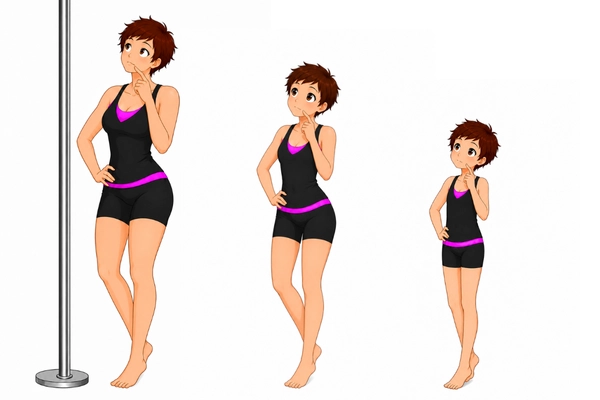
If you're a young person wondering if you're old enough to take pole classes, the answer may not be as straightforward as you thought. It depends on various factors such as the legal age of majority where you live, studio policies, and whether your parent or guardian supports your desire to learn. This guide will help you understand what you'll need to consider if you're a teen wanting to take pole classes.
The Legal Question
For a lot of young people wondering if they're old enough to take pole dancing classes, the real question is actually whether they're old enough to take pole dancing classes without their parents' permission. This is where legalities come into play, and it's why the legal question may be the most important factor to consider.
Important Disclaimer: Your Pole Pal is not a legal expert in any region or country. The following comments are intended for general information only.
Whether or not you're allowed to participate in an activity that may be considered "risky" — be it pole dancing, rock climbing or taking out a gym membership — usually depends on if you're old enough to legally enter into a contract on your own, without the permission of your parent or guardian.
This is commonly known as the age of majority, and it varies according to which country, state or province you live in.
But why do you need to be able to legally enter into a contract before you can take pole classes? The simple answer is: the waiver.
A waiver often forms party of the contract you'll sign before your first class or when taking out a membership at a pole studio, but it can also be contained in a separate document that you also need to sign.
Having all students sign a waiver is normally a requirement of a pole studio's insurance policy. Without a signed waiver, the insurance policy may not cover the studio in the event that a student is injured during class.
And in order for any protection a waiver offers to be legally recognized, the person signing it must be of the age of majority. This is because you are only deemed to have the capacity to understand what you're signing once you've attained this age.
If a pole studio were to allow you to take a class when you hadn't signed a waiver, or had signed but were under the legal age for doing so, they may not be insured should something happen to you while participating in the class. This is often the main reason studios will have a minimum age requirement for their pole dancing classes.
Studio Policies
If you're of legal age, or your parent or legal guardian is willing to sign a waiver on your behalf, this is often all that's required for you to be able to take pole classes. However, a particular studio may have their own internal policies that spell out which classes children and teens are allowed to participate in, even with a valid signature on their waiver.
There are several possible reasons for such restrictions, such as:
- safety issues
- muscles and bones that are still developing need special
consideration, so access to some advanced classes may be restricted for younger pole students. Alternatively a studio might require younger pole students to register into classes just for that age group so the studio can ensure appropriate supervision by an instructor trained specifically in youth fitness.
- comfort issues - if a
class is directed at a particular segment of the population (for example, a class for "mature" students) the other students may feel very uncomfortable having someone
much younger in the class. For that reason, certain specialty classes might be off limits for younger pole students.
- appropriateness of the material being taught - the studio might have a policy that certain classes are not open to students under a particular age because of the subject matter. For example, exotic style pole classes may be offered only to students over the age of majority, due to perceptions about what might be taught in the class (whether or not these perceptions are true).
Getting Support from Your Parent or Guardian
Children and teens under the age of majority will almost certainly require the permission of a parent or legal guardian in order to sign up for pole classes, due to the legal issues mentioned above. But what if your parent doesn't want you to take classes and refuses to sign you up?
If you're under age and your parents don't support your desire to take pole classes, arguing with them or saying things like "you just don't understand what it's about," or "all my friends are taking classes," isn't likely to help your cause.
And trying to get around their disapproval by signing up behind their back using a friend's parent or a forged signature are definitely not great strategies. These could easily backfire at some point, which might lead to your parent imposing even more restrictions on what you can and can't do.
Instead, try to put your frustration aside and have an honest conversation about what pole is and what it isn't. Your parents may have legitimate concerns about safety or sexualization, and it's important to acknowledge these, even if you don't share the same concerns.
You could start by asking them what they think happens in class, to help you understand specifically what their concerns are. This can open the door for you to provide accurate information about what's involved in the youth pole classes you want to take.
Asking your parent to come with you to visit the studio and talk to the owner or an instructor can be helpful. That way they can voice their concerns and get answers directly from the source.
Another option is to ask permission to attend just one introductory class, with your parent there, so they can see exactly what the class is about. After the class, you and your parent can then have a more informed discussion about taking more pole classes.
More Helpful Guides
You or your parents might have more questions about pole dancing classes, and Your Pole Pal has several guides that might be helpful.
For example, some parents might have concerns about how hard pole dancing is and if it's going to be too strenuous for you, or whether you'll be able to stick with it once you start.
Another common worry for many parents is that taking pole classes will teach you how to be a stripper. You can help your parents understand the differences between studio pole classes and club style pole dancing, which might help provide reassurance.
For more answers to common beginner questions that you or your parents might have, be sure to visit the Beginner Basics section.

Was this page helpful? Make YourPolePal.com your preferred source of pole dance info on Google, so it'll be easier to find more useful pole guides like this one.


Susan Peach was an early pioneer in pole fitness and is now the voice behind Your Pole Pal, a long-running resource for the pole community. With more than 30 years of experience teaching pole, dance, and fitness, she helps newcomers navigate the world of pole with confidence.

What's New?


-
How Old Do You Have to Be to Take Pole Dance Classes?
Sep 06, 26 04:12 PM
 Get clear on minimum age limits for pole dance classes, and why waivers, studio policies, and parental consent all matter.
 -
How Hard is Pole Dancing? A Beginner's Reality Check
Aug 30, 26 05:42 PM
 Pole dancing is hard, but beginners can start at any fitness level. See what to expect, why technique matters, and how progress gets easier with practice.
 -
Pole Dancing for Beginners - What to Expect and FAQs
Aug 23, 26 08:35 PM
 Learn what to expect as you begin your pole dancing adventure, including answers to the most common questions from new pole dancers.
 -
London Pole Studios & More | Pole Dancing in England
Aug 21, 26 06:12 PM
Discover top pole studios in London as well as pole dancing classes throughout England. Find local studios near you to start your pole dancing adventure today. -
Getting Started with Pole Dancing: A Beginner's Guide
Aug 02, 26 11:02 PM
 New to pole dancing? Learn about home vs studio options, pole parties, safety basics and more so you can plan your pole dancing journey right, from the start.
Your Pole Pal loves to have fun, but she also has to earn a living, right? That's why you'll see ads on this site. She may also earn commissions on some of the products you'll see here, but there's never any cost to you since the advertisers pay for these.
The income generated through these means helps ensure Your Pole Pal can devote the time to providing you with all the free information & resources you'll find on this website.
Want to learn more? Your Pole Pal invites to you read her full advertising disclosure. You know...in case you haven't read enough legalese lately. 😉