- Home
- Getting Started
- Studio Classes
Pole Classes & Studios: How to Find the Right Fit
By Susan Peach
Once you've decided to start your pole dancing journey with studio classes, your next mission is to choose a studio and a style of pole dance that's a good fit for you. But how are you supposed to figure out all the different levels, types of classes, and styles of pole?
If you're like a lot of pole-curious people, you probably have a ton of questions you need answered before you'll feel halfway comfortable signing up for a class or taking out a studio membership.
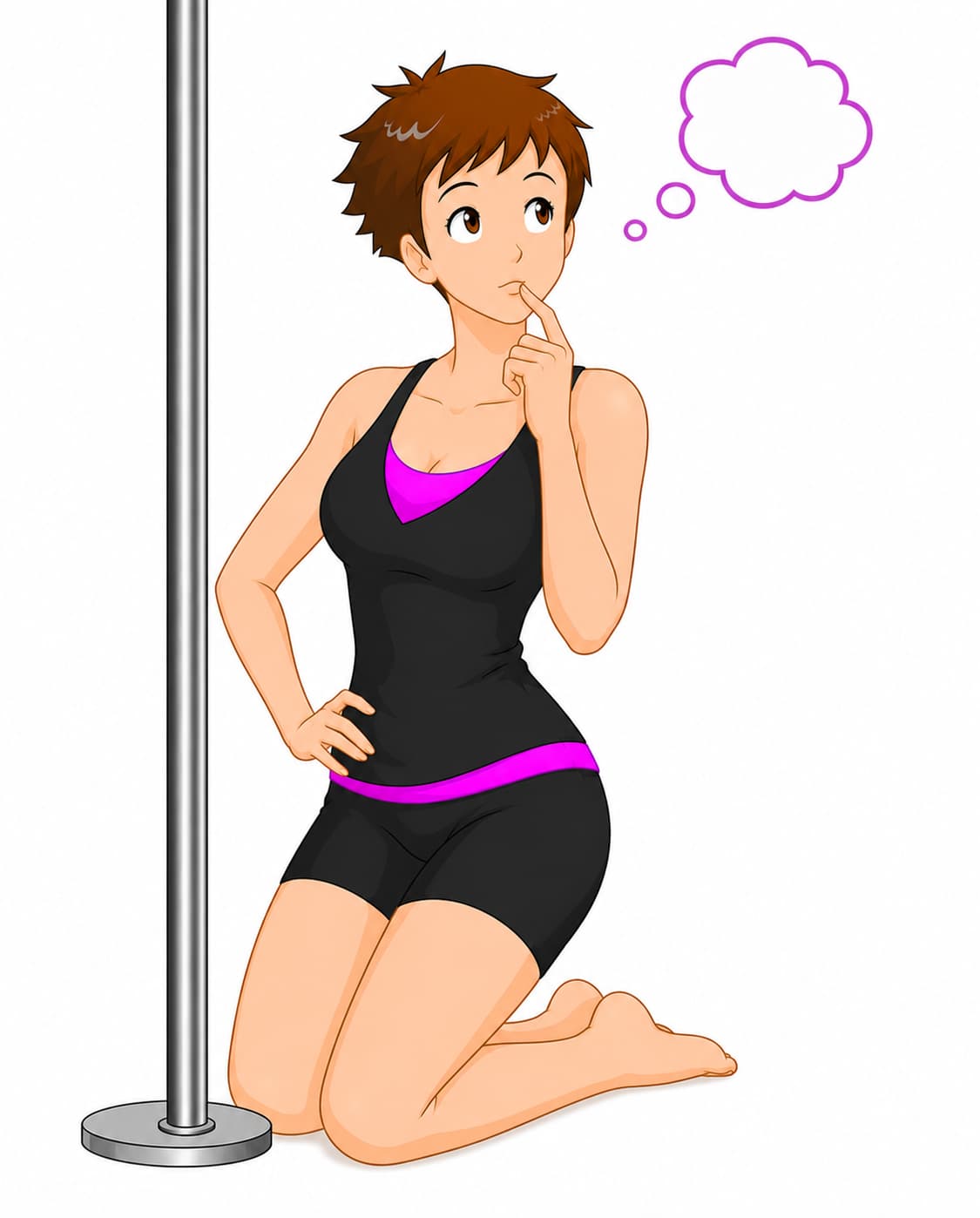
- How can I be sure a studio is safe?
- Should I start with private or group classes?
- Which style(s) of pole should I learn?
- What should I look for in a good studio?
- Will I fit in?
- How can I be sure the class is really for beginners?
- Where can I find studios in my area?
These are all common questions for someone who's decided they want to learn pole dancing. But if you have no idea what's out there, or how to assess the different studios and class types, it can feel overwhelming to take the next step and actually get started.
Fortunately, you don't have to figure it out on your own. The guides outlined on this page offer you:
- a framework for evaluating studios and classes that puts your needs first
- a discussion of the pros & cons of different class formats, so you can decide which one suits you best
- an explanation of different styles of pole dance, so you'll know what your options are up front
- tips on how to get a read on a studio before you even visit, as well as what to look for on your first visit to the studio
- help finding studios in your area, no matter where in the world you live
Together, these guides make it easier to not only find studios near you, but to get your best fit when it's time to choose a pole studio and sign up for your first class.

If you're not yet sure whether studio classes or learning at home is best for you, check out the home vs studio guide, with lots of useful info to help you decide which is the best choice for you.
Or if you're still in the exploration phase and have general questions, you may find this guide to starting pole dancing more helpful.
What Makes a Pole Studio the "Right Fit"?
You may not have a choice in studios if there's only one in your area, but the information in this section can still help you evaluate whether or not it's a good fit for you. If you feel that your only studio option is not going to meet your needs, learning at home might be a better choice, at least for now.
On the other hand, if you're lucky enough to have more than one pole studio in your area, chances are there are enough differences between them that you'll find one that stands out as your best fit. Let's take a closer look at how to assess a studio based on your needs, not hype.
Popular Doesn't Necessarily = Good
The challenge for a lot of new pole dance students is figuring out what's actually important to YOU in a pole studio. The studio "everyone" goes to might be popular for lots of reasons: a fancy website, a huge advertising budget, low fees, or an owner or lead instructor who is well-known in the pole world.
But all those things, while not necessarily negative, say very little about the quality of instruction or teaching style, the studio culture, how easy it is to sign up for classes, or the safety equipment and procedures that are in place. In other words, things that might be important to you as a student.
A Better Approach: What's Important to Me?
Rather than assuming a studio is a good fit for you just because it's popular, Your Pole Pal suggests you start by taking a moment to think about your personal priorities. You're likely to be happiest at a studio that supports your specific needs and goals, even if it's not the trendiest or most glamorous studio in town.
After all, choosing the right pole studio should be about YOUR priorities, not about what's important to your friends, or to other students, or to the studio.
In this guide to choosing a pole studio, you'll learn a three-point plan to evaluate a studio in terms of your goals, your learning style and what's important to you in a studio environment.
Use it as a starting point to get clear on what your needs are, so you'll be able to quickly identify which studio is the best fit for you.
Different Class Formats, and Who They Suit Best
One reason choosing a studio can feel confusing is that not every studio offers the same types of classes. For example, you'll find classes that are more structured and focus on steady skill progression, and others that are more flexible and fitness-focused. Still other class types are designed to introduce you to pole in a low-pressure way.
Your best option depends on a number of things, including how you prefer to learn, how nervous you feel about starting, and what you want from the experience. Keep in mind that you don't need to limit yourself to only one type of class either. As your goals and confidence level change over time, your choice of class types may change as well.
Private or Group Classes?
In general, private lessons are a good choice if you learn best with one-on-one attention, feel very nervous about starting in a group, or if you just want a quieter introduction to the basics without feeling like you have to "perform."
Group classes are a more affordable option that also comes with the benefits of social interaction—a plus for those who enjoy sharing the learning experience with others who are also new to pole.
And of course some people combine both options. You might choose to structure your learning with group classes as your main format, adding the occasional private lesson whenever you need a bit of extra support.
Registered Courses vs Drop-in Classes
Some studios structure their lessons as registered courses, while others offer classes on a drop-in basis. Many studios offer both options.
Registered courses might suit you best if you prefer a structured approach to learning with a focus on skill progression. Drop-in classes are great if you need more flexibility in scheduling, or if you're looking for a class experience that leans more toward general fitness.
Neither format is better that the other, and you don't have to choose just one. What matters is understanding the benefits of each option so you can make the right choice for you.
Intro Sessions
If you think you've found your best studio fit, but you're not quite ready to commit to signing up for a course or buying a membership, an intro session is a great way to test the waters before you take the plunge.
Also known as tasters or samplers, these beginner-friendly sessions are a low-pressure way to get a feel for what classes are like, meet an instructor or two, and see what the studio environment is like before making a bigger decision.
For many hesitant beginners, this is the most comfortable first step.
Pole Parties
While not technically a class in the usual sense, pole parties are a common introduction to pole for many people, and a great way to experience what pole dancing is all about. In fact, many people who later decide to take classes got their first taste of pole at a pole dancing party.
Your Pole Pal has done hundreds of pole parties in both studio and home settings, and can vouch for the fact that learning a few moves alongside friends in a fun and supportive environment is a fantastic way to get acquainted with pole dancing. Attending a studio pole party also allows you to get familiar with the studio environment and one or more instructors in a low-pressure way.
If you'd like to know more, including exactly what happens at a pole dancing party, how to plan one, and lots more, you'll find all the details in this pole party guide.
Which Style of Pole Might Be Your Best Fit?
Not all studios teach the same style of pole. Some gravitate more toward sensual movement and flow; some use a more fitness-focused approach that incorporates strength and stamina-building tricks; and still others employ a more artistic style that blends creative choreography with expressive movement.
Whether you're curious about Erotic Style pole, or your goal is fitness through Pole Sport, learning more about the different styles of pole dance will help you choose the one that suits you best. From there, you can choose a studio that offers the style you're most interested in.
How to Read a Studio Before You Even Visit
Doing a bit of online research can help you get a pretty good feel for a studio before you even set foot inside.
Your Pole Pal has seen literally thousands of studio websites while creating and maintaining the Worldwide Pole Dance Studio Directory. Some websites are very basic, while others have all the latest bells and whistles.
The key is to look past the polish — like full page video playing as soon as you land on a site — and notice both what the website actually tells you, as well as what you can read between the lines. Let's take a closer look.
What a Website or Booking Page Can Tell You
Whether a studio uses a website, a social media account like Instagram or Facebook, or a booking page, its online presence says a lot about the studio and how it operates.
As a new pole student, it's normal for you to be feeling hesitant and unsure. And a website that's full or jargon or things you don't understand isn't likely to increase your confidence! The use of non-intimidating language and clear explanations on the other hand, shows that a studio is working to to meet beginners where they are.
Is essential information — like clear descriptions of classes and levels, pricing, location, and hours — easy to find? Explanations about how to get started, as well downloadables like waiver forms and checklists for what to bring to your first class, also demonstrate a beginner-focused approach.
Beyond being easy to find, are the class descriptions and explanations of the different levels easy to understand? Are there classes that jump out at you because they seems to check all your boxes, or are you left feeling a bit lost or uneasy because nothing seems to be a good fit for you?
What about the FAQs — do they provide the kind of details you need to know as a new student? Are studio policies around memberships, registration, cancellation, etc., clearly explained, either in the FAQ section or elsewhere?
If there's an online booking system, is it clear how it works, or does it feel overly complicated? If the system is difficult to understand, the information isn't current (i.e. class dates haven't been updated), or you're left with the impression that you should just know how the system works without any explanation, that can be a sign that the studio is out of touch with the needs of new students.
Can you easily find the studio's contact info if you have a question you can't find the answer to? Locating a phone number, email address, or contact form should not be a frustrating experience. And if you contact the studio with a question, does someone respond to your inquiry within a reasonable period of time?
Finally, what is the overall tone conveyed by the website? Do you feel like you're being welcomed, or is the focus more on the studio itself? Can you see yourself in any of the photos or videos on the site, or do you feel intimidated by what amounts to a showcase for instructor talent? In other words, is the website all about you and your needs, or is it all about the studio?
Your First Visit: What to Notice Once You’re There
You've found a few studios in your area, and you've looked at their websites or social media pages to get a sense of whether you think they'll be a good fit. Now it's time to visit in person and see if your experience matches the marketing.
Keep in mind that you don't need to decide whether a studio is 'the best.' You only need to notice whether it's a fit for you. It's a good idea to review your goals, learning style, and the things that make you feel comfortable and supported safe, just before your visit. That way you'll have them fresh in your mind when you go.
You might also find it helpful to learn what to expect at your first pole class, including what to wear, what to bring, helpful studio etiquette tips and more.
First Impressions
Your gut reaction and how you feel in your body when you first walk into a studio will tell you a lot. Pay attention, but don't overthink this.
Does someone greet you and welcome you? Are you offered a tour or more information? Do you feel rushed or pressured, or do you find yourself relaxing into the space? What's your sense of the culture? Playful, sensual, competitive, athletic, technical? Does it seem like a good match given your goals?
How Does the Room Feel Before the Class Starts?
If you've planned to take a class during your first visit to this studio — perhaps an intro class or a beginner drop-in class — take note of the vibe in the room before the class gets underway. Are the other students excited and chatty? Or nervous and unsure?
What's the overall social tone? Do you feel welcome, out of place, or neutral?
Does the physical environment put you at ease and help you feel safe, or do you feel any discomfort as a result of the room setup?
Pole studio safety is a very important topic on it's own, but many beginners don't know what this looks like in practice. That's why Your Pole Pal has prepared an in-depth guide that will show you exactly what to look for when assessing pole studio safety, including red flags to watch for and a downloadable safety checklist.
How Does the Instructor Interact with the Students During Class?
Once the instructor arrives, do they introduce themself and welcome the students? Do they set the stage for what to expect during the class, to help frame expectations and reduce fear of the unknown?
During the class, watch how the instructor explains and demos what's being taught. Do they provide appropriate correction alongside encouragement? Are they able to adapt their teaching style and language to meet the needs of different students? Is their language positive and reassuring in a way that instills confidence and demonstrates support?
If you'd like to learn more about how skilled instructors teach, you can take a deeper dive with this guide that discusses the qualities that make a good pole instructor.
How You Feel After Class Matters Too
Much like your first impressions, taking note of how you feel right after the class is also a useful exercise. Whether you feel generally positive, negative, or neutral, your emotional response will tell you a lot about whether this studio is a good fit for you.
So, how DID you feel at the end of the class?
Inspired? Supported? Confident?
Confused? Frustrated? Let down?
Did you feel a sense of belonging, or that you could grow into this? Or did you feel uncomfortable because you were singled out or put on the spot?
Whether you feel overall positive or negative about your first class experience, your post-class feelings are a good indicator of fit.
How to Find a Studio Near You
Now that you have more information about what makes a studio a good fit, and how to know when you've found YOUR best studio, you'll likely be wanting to find one or more studios to evaluate. Your Pole Pal has you covered with the Worldwide Pole Dance Studio Directory.
This particular directory first made its appearance in 2009, and was one of the very first online pole studio directories. It now lists literally thousands of studios in dozens of countries from around the globe, so chances are good that you'll find one or more studios listed in your area.
Each studio listing includes the location, phone number (if available) and a direct link to the studio's website, so you can do a pre-visit screening as discussed earlier on this page.
Taking The Next Step
So where to from here?
- Start by reading the How to Choose a Pole Dancing Studio guide, and running the three-point evaluation plan you'll find there. It will help you assess whether a studio is a good fit for you before you plan your first visit.
- Search the studio directory to find studios near you.
- Think about which style of pole dance you'd like to start with, and keep this in mind as you review studio websites. You'll want to take note of those that offer the style you'd like to learn.
- Visit the websites for each of the studios, keeping in mind the suggestions above for how to read a studio from its online presence. You should also be able to find out which style(s) of pole dance each studio offers, so you can find one that offers the style you'd like to learn.
- Pick 2 or 3 studios that seem like a good fit, and schedule a visit or book into an introductory or beginner drop-in class.
- Use the suggestions under the Your First Visit section on this page to evaluate your experience and review the studio's fit based on the criteria you identified in your four-point plan.
- Pick the studio that feels like the best fit for you. Register for a beginner course, get yourself a punch card, or take out a trial membership, whatever option the studio offers that feels like a low-commitment way to take the next step in learning to pole dance. And enjoy the journey!

Was this page helpful? Make YourPolePal.com your preferred source of pole dance info on Google, so it'll be easier to find more useful pole guides like this one.


Susan Peach was an early pioneer in pole fitness and is now the voice behind Your Pole Pal, a long-running resource for the pole community. With more than 30 years of experience teaching pole, dance, and fitness, she helps newcomers navigate the world of pole with confidence.

What's New?


-
How Old Do You Have to Be to Take Pole Dance Classes?
Sep 06, 26 04:12 PM
 Get clear on minimum age limits for pole dance classes, and why waivers, studio policies, and parental consent all matter.
 -
How Hard is Pole Dancing? A Beginner's Reality Check
Aug 30, 26 05:42 PM
 Pole dancing is hard, but beginners can start at any fitness level. See what to expect, why technique matters, and how progress gets easier with practice.
 -
Pole Dancing for Beginners - What to Expect and FAQs
Aug 23, 26 08:35 PM
 Learn what to expect as you begin your pole dancing adventure, including answers to the most common questions from new pole dancers.
 -
London Pole Studios & More | Pole Dancing in England
Aug 21, 26 06:12 PM
Discover top pole studios in London as well as pole dancing classes throughout England. Find local studios near you to start your pole dancing adventure today. -
Getting Started with Pole Dancing: A Beginner's Guide
Aug 02, 26 11:02 PM
 New to pole dancing? Learn about home vs studio options, pole parties, safety basics and more so you can plan your pole dancing journey right, from the start.
Your Pole Pal loves to have fun, but she also has to earn a living, right? That's why you'll see ads on this site. She may also earn commissions on some of the products you'll see here, but there's never any cost to you since the advertisers pay for these.
The income generated through these means helps ensure Your Pole Pal can devote the time to providing you with all the free information & resources you'll find on this website.
Want to learn more? Your Pole Pal invites to you read her full advertising disclosure. You know...in case you haven't read enough legalese lately. 😉