- Home
- Getting Started
- Beginner Basics
Pole Dancing for Beginners: The Basics
By Susan Peach
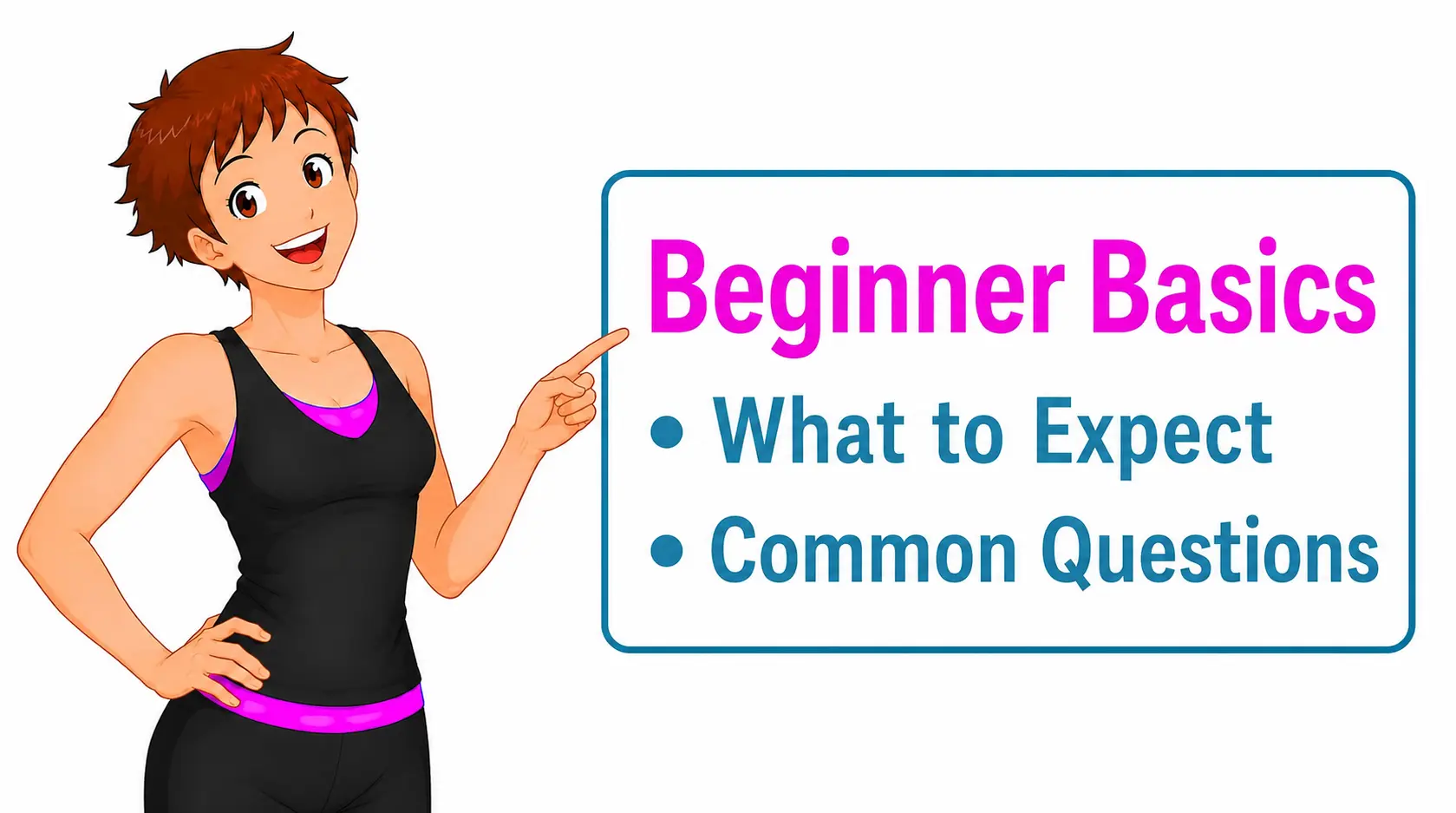
Once you've decided to start learning pole dancing, you may be feeling unsure about what comes next. This page shows you what to expect from the early weeks, and answers many of the most common questions that new pole dancers ask.
What to Expect
Everyone's experience and learning curve is unique, but there are some things that come up frequently when people first start learning to pole dance. Here's what to expect in those first few weeks.
Pole Can Feel Really Hard
Many people who are new to pole are surprised by how hard it actually is. If you've watched videos of expert pole dancers, or seen live performances, you'll know that they make it look so easy. You might even have thought to yourself, "how hard can it be?" especially if you have previous experience in dance or gymnastics, or another sport.
The truth is that it's probably going to feel harder than you thought at first. Most beginners are surprised at how sore their muscles can feel the day after a pole session, or how challenging mastering that first spin can be.
One of the main reasons that pole can feel so difficult to newcomers is that — unlike some other sports — it's not just about learning a single skill like running fast or jumping high. Pole dancing offers so many different challenges, and many beginners are surprised at how much there is to learn.
It takes time to build up enough strength and flexibility to do spins and tricks, and there's no short cut here. Learning musicality so the moves flow together well is an aspect that many beginners struggle with, and this can make pole feel hard in ways that aren't necessarily related to physical strength. Projecting confidence is what makes a pole routine look effortless, but this is another skill that only comes with repeated practice.
So, expect to feel challenged, and for some days to feel harder than others. It's all part of the learning process and Your Pole Pal would be lying if she told you learning to pole dance is easy. But it's also very rewarding in many ways, so don't give up!
Awkwardness is Normal
Many beginners are surprised by how awkward they feel in the first few weeks of learning to pole dance. In the early days, you're not just building up strength, working on your flexibility, and practicing new moves. You're also learning to put everything together in a way that flows and that works with the music.
That's a big ask, and is one of the main reasons that pole can feel awkward at first. You might already be strong and flexible, but find it hard to hear the rhythm and move easily to music. Or maybe musicality comes easily to you, but you're struggling to get airborne or to land gracefully.
When you see the experts looking so confident and smooth with their routines, it can be frustrating to feel awkward and stiff. Just know that this is entirely normal, and in fact it's pretty well a requirement that you pass through this awkward phase. Just like a child who's learning to ride a bike, you may feel wobbly and unsure at first. But with practice and persistence the pieces will fall into place.
Progress Takes Time
Because there's a fairly large skill set involved in learning to pole dance, you may feel like your progress is slower than it should be. Try to keep in mind that everyone progresses at their own pace, and that someone else's "normal" may not be yours.
You might have frustrating days when you just can't get airborne, or you don't yet have enough strength to climb. At times like this, it can help to remember that all your previous attempts count, even if they felt like failures at the time.
Every attempt builds a bit more strength, a bit more confidence, and a bit more body awareness. And when everything finally comes together, you'll often feel like you've just made a giant leap forward. But remember, that moment is only possible because of all the work you've already put in, including all the "failures" you experienced along the way.
So try not to worry about how fast (or not) you're progressing, especially in the early days. If you stick with it you will make progress, even though it won't always be in a straight line up.
Soreness, Bruising, and Grip Frustration are Real
Your Pole Pal would be remiss if she didn't mention the "Big 3" beginner woes: muscle soreness, bruising, and frustration around getting a good grip.
Muscle Soreness
As with any new physical activity, some muscle soreness is normal in the early weeks. This may be true even if you're already active, because different activities use different muscles in different ways. Fortunately, this tends to pass quickly as your body adapts and grows stronger.
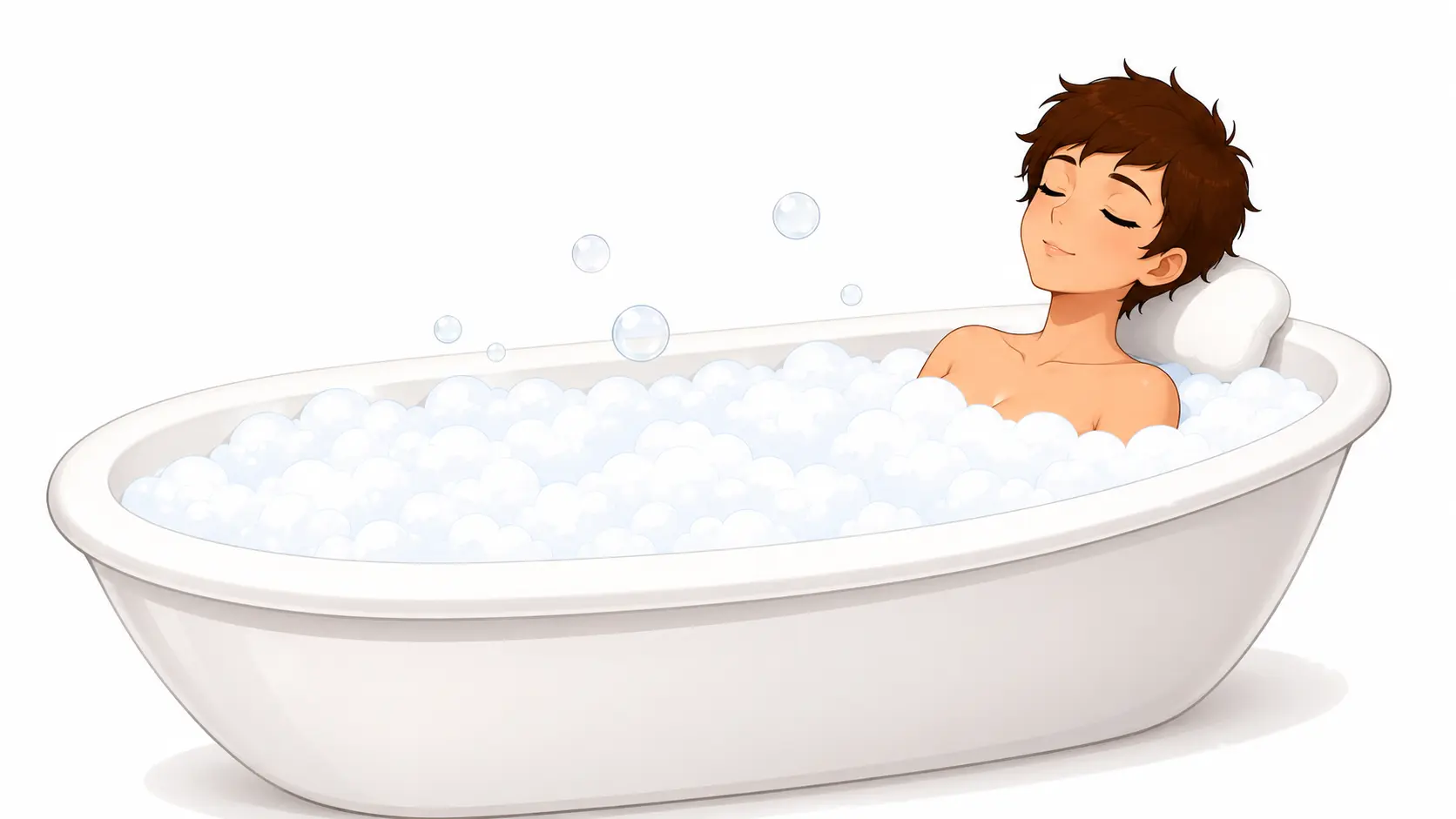
A proper warm up, gentle stretching post-workout, and keeping your sessions short in the beginning can help reduce soreness. And a hot soak can do wonders for sore muscles, if you have the luxury of a bathtub at home.
Bruising
Bumps and bruises (aka "pole kisses") are another nuisance, particularly for beginners. When you're just starting out, bruises are very common as you learn how and where to place your body parts on the pole. Using too much force when gripping the pole, or not exercising enough control as you enter a move, can contribute to bruising.
As you gain experience, strength and flexibility, bruising does tend to decrease. In the meantime, a cold compress on a nasty bump or bruise can help reduce bruising and swelling. Over-the-counter treatments like arnica cream can also help speed healing, both for bruises and muscle soreness.
Grip Issues
The final frustration you may encounter as a beginner is your grip. Many people don't think about all those small muscles in your hands that also need to be strengthened for pole dancing. Others tend to hold on for dear life and have difficulty loosening their hold on the pole enough to be able to spin.
Your grip is also affected by the condition of your skin. Perhaps you tend to dry skin, or sweaty palms, both of which can make your grip feel less secure. In this case, you might benefit from using a grip aid while you work on increasing your hand strength. There are different grip products for different issues, and their use is very common in the pole world.
Common Beginner Questions
Almost everyone who's new to pole dancing has questions, both before they begin and as they get started. This section addresses some of the most common beginner questions.
How old do you need to be to start pole?
This is a common question that teens often have, but many parents are also curious about whether it's OK to enroll their kids or teenagers in pole classes.
It's important to distinguish between legalities, policies and parental permission when asking this question, and these nuances mean there's no single right answer.
This guide to age requirements for pole dancing explains the age question in more detail. It will help you understand the big picture, ask the right questions, and ensure that you or your aspiring young pole dancer have ticked all the required boxes before signing up for classes.
Do you need to be strong and flexible first?
Many people who want to start pole dancing are worried about this. They see what others are able to do on the pole and worry that they won't have enough strength or flexibility to do the same moves.
But here's the thing: you can start where you are, just like they did.
You don't need to work out at the gym for months to get ready to take pole classes, and you don't need to be an athlete or have any previous experience to get started.
The process of learning to pole dance is what makes you stronger and more flexible. Each move you learn builds on a previous one, and little by little you'll improve your strength and flexibility as you learn.
Is there a difference between the pole dancing you learn at a studio vs pole dancing you'd see at a club?
Yes and no. There are different styles of pole dancing, and if you prefer the exotic/erotic style that you'd typically see in strip clubs, there are definitely studios that offer instruction in this style. On the other hand, if you're looking for a purely fitness-focused approach, or a more artistic style of pole, there are studios that teach these styles as well.
You might also want to read this explanation of club vs studio pole dancing to help you better understand today's differences, as well as your class options.
Wondering what else to expect when you're just starting out? Undecided about how or where to learn? Or maybe you have questions or concerns about safety.
Check out the rest of the getting started guides, written especially for beginning pole dancers. You'll find lots more info, tips and resources to help you start pole dancing with confidence.
More FAQs
How often should I practice as a beginner?
How often should I practice as a beginner?
If you're brand new to pole, a good general guideline is to start with 2-3 sessions a week. Less than that and you may find it difficult to make progress, while if you train more frequently your muscles and joints may not have enough rest between sessions to properly recover.
Is it better to start at home or in a studio?
Is it better to start at home or in a studio?
Both have their pros and cons, and it very much depends on your unique situation. Of course if there are no pole studios near you, you're definitely going to need to learn at home. But studio classes aren't always the best choice for everyone. Learn more about learning to pole dance at home vs in a studio, so you can make the choice that's right for you.
What should I wear to my first class?
What should I wear to my first class?
Don't overthink this. When you're brand new to pole the main thing is to focus on comfort. Shorts or leggings and a t-shirt or tank top are good choices. Even your favorite set of baggy sweats should be just fine. As you progress you'll need to adjust your clothing for the moves you're learning, but for total beginners comfort is the name of the game.

Was this page helpful? Make YourPolePal.com your preferred source of pole dance info on Google, so it'll be easier to find more useful pole guides like this one.


Susan Peach was an early pioneer in pole fitness and is now the voice behind Your Pole Pal, a long-running resource for the pole community. With more than 30 years of experience teaching pole, dance, and fitness, she helps newcomers navigate the world of pole with confidence.

What's New?


-
How Old Do You Have to Be to Take Pole Dance Classes?
Sep 06, 26 04:12 PM
 Get clear on minimum age limits for pole dance classes, and why waivers, studio policies, and parental consent all matter.
 -
How Hard is Pole Dancing? A Beginner's Reality Check
Aug 30, 26 05:42 PM
 Pole dancing is hard, but beginners can start at any fitness level. See what to expect, why technique matters, and how progress gets easier with practice.
 -
Pole Dancing for Beginners - What to Expect and FAQs
Aug 23, 26 08:35 PM
 Learn what to expect as you begin your pole dancing adventure, including answers to the most common questions from new pole dancers.
 -
London Pole Studios & More | Pole Dancing in England
Aug 21, 26 06:12 PM
Discover top pole studios in London as well as pole dancing classes throughout England. Find local studios near you to start your pole dancing adventure today. -
Getting Started with Pole Dancing: A Beginner's Guide
Aug 02, 26 11:02 PM
 New to pole dancing? Learn about home vs studio options, pole parties, safety basics and more so you can plan your pole dancing journey right, from the start.
Your Pole Pal loves to have fun, but she also has to earn a living, right? That's why you'll see ads on this site. She may also earn commissions on some of the products you'll see here, but there's never any cost to you since the advertisers pay for these.
The income generated through these means helps ensure Your Pole Pal can devote the time to providing you with all the free information & resources you'll find on this website.
Want to learn more? Your Pole Pal invites to you read her full advertising disclosure. You know...in case you haven't read enough legalese lately. 😉