- Home
- Getting Started
- Studio Classes
- Pole Class Styles
Pole Class Styles Explained
(And How to Choose the Right One)
By Susan Peach
The pole class style that's right for you depends on what you want to get out of pole. Different pole styles focus on different goals, whether that's building strength, learning choreography, improving your confidence, or simply trying something new. The best style to start with is the one that matches what excites you right now—and it doesn't have to be your forever style. This guide explains the main pole class styles, what they're like, and how to choose a first class that feels like a good fit for you.
 Erotic
 Artistic
 SportEroticArtisticSport
There's More Than One Style of Pole
When pole dancing first started to go mainstream back in the early 2000's, most classes focused on what was then the default: Erotic (or Exotic) Style. Drawing on their experience as exotic dancers, pioneers like Fawnia Mondey and Pantera Blacksmith brought pole to the people, teaching spins, tricks and transitions that they were using in their own stage routines.
But what many beginners don't realize is that pole dancing has evolved from its modern day exotic/erotic dance roots (its history is much longer, but that's another story), with several different styles developing as people began to enter pole from different backgrounds.
Fitness instructors saw the potential for an alternative to traditional strength training in the gym. Those with dance backgrounds saw a new genre of dance to explore that was becoming less taboo and more mainstream. And gymnasts saw their sport turned on its side — literally — with the dance pole becoming a familiar but new apparatus that offered fresh challenges.
Today, some studios lean heavily into one particular style, often because the studio owner has a background in that style and feels most comfortable teaching it. Other studios offer different classes in different styles to help students explore the full range of pole.
Even if you've chosen to learn pole dancing at home, the style you choose may influence what type of pole gear you buy, how you set up your home pole practice space, and which online courses or resources you decide to purchase.
The Main Pole Class Styles
To keep things simpler, Your Pole Pal likes to think of pole as having three main styles: Erotic Style, Pole Sport, and Artistic Pole. Within these styles some people would define sub-styles or variations. Also, it's important to know that different styles might be known by different names in different parts of the world.
The truth is that the naming of pole styles is very much a work in progress, much like the naming of different pole tricks was inconsistent in the early days. To make things even more confusing, there's often a lot of overlap between styles.
For example, while Pole Sport focuses on tricks and fitness conditioning with an optional side of competition for those who are so inclined, all forms of pole are great exercise and help to improve strength and flexibility. There are also competitions for different styles of pole, so you don't have to limit yourself to only Pole Sport if you're the competitive type.
Because of the evolving nature of pole, as well as the crossover between different styles, no one article can be considered the definitive piece on how many styles of pole exist and what their "official" names are. But because so many people are curious about the different pole class styles, Your Pole Pal offers this guide, which is based on how studios commonly identify the types of classes they offer.

Pole class styles are different from class formats. The former speaks to the specific style of pole dance (which we'll explore on this page) while the latter is about what form the class takes: private vs group classes, or drop-in vs courses, etc.
Erotic Style Pole
Erotic Style has its roots in modern day pole dancing, and was the most common form of pole dancing in the early days of studio instruction.
You'll also see these classes described as Exotic Style, though there has been a shift away from this term in recent years. Because it was originally used in reference to people and their cultural practices — including dances, food and customs — from non-Western cultures, some feel the name is problematic due to its association with colonialism.
Other common names for this style include Classic (or Classique), Sensual, Sexy and Old School. The focus is commonly on sensual and expressive moves, smooth transitions, continuous movement (flow), and a confident delivery.
Some common sub-styles include Low & Slow, which has less emphasis on high-powered tricks and more focus on floorwork and using the lower part of the pole, and the fast-paced Hardstyle that features explosive movements and dramatic transitions, typically set to faster music with a heavy bass line.
Heels are often permitted, or even required, in this style of pole class, though some studios introduce them only after students have completed a foundation class. Knee pads can be a helpful accessory here, especially when practicing floor-based moves.
Erotic Style pole might be a good fit if you want to explore confidence and self-expression, and the different sub-styles offer options to suit different tastes or goals.
Pole Sport
Pole Sport is a fairly broad category that is heavily focused on fitness, technical skill, and precision.
Class formats range from drop-in classes that are strictly workout-based, to more structured courses that allow students to track their progress by mastering tricks that increase in difficulty.
Some types of classes even have a specific focus on preparing students for competitions.
Common studio names for these types of classes are Pole Fitness, Aerial Pole, Power Pole, Pole Acro, and Pole Conditioning.
Strength is important in this style, as you'll often be learning climbs, spins, inversions, and a wide variety of tricks. But don't worry, you don't need to be strong before you start.
You'll start with the basics and build from there, with the moves you learn increasing in difficulty over time, each one building on skills you've already mastered.
Even in a class that goes beyond just using the pole as a piece of workout equipment, expect to spend some time each class working on specific conditioning exercises. These are designed to develop the strength, flexibility and control needed for the safe execution of pole tricks.
Because these are fitness-based classes, they're usually done in bare feet, although occasionally you'll see classes where running shoes or half-soles* are worn. Bring your water bottle and a towel, as Pole Sport is definitely a workout!
This style could be a good fit if you enjoy the gym but are looking to add variety to your workouts, if you're motivated by tracking your progress over time, of if you enjoy performing and think you might want to enter a competition one day.
*Half soles are a type of footwear that protect the balls of your feet, allowing you to spin and pivot without worrying about friction and related injuries like blisters. Below are a few examples of different half soles so you can get the idea.


Artistic Pole Dance
Artistic Pole tends to focus more on interpreting music through movement. Although it certainly requires strength and flexibility, it's an approach that strongly favors emotive expression and choreography that tells a story.
Choice of music is particularly important in this style of pole, as it's based very much in using the music to inform the movements.
You might see other names for this style of pole, such as Contemporary and Lyrical, with Fusion being a recognized sub-style. Fusion involves dancers mixing other styles like Salsa, Tango or even Ballet with pole. If you're curious, these pole fusion videos will show you what's possible.
This style of pole frequently uses more traditional dance footwear such as half-soles, though platforms, bare feet, or genre specific footwear like ballet slippers or Latin dance shoes are not uncommon for Fusion styles.
Clothing for this style — particularly costumes for competition — is often chosen to add to the mood the dancer wants to create through the choreography. This might include scarves, skirts, headpieces or other accessories, though these must be chosen carefully so they don't interfere with the dancer's interaction with the pole.
Artistic Pole could be a good fit if you enjoy dance, storytelling, or expression through movement. And if you're not really interested in either athletics or erotic expression through pole, this style might also be a good place to start your exploration.
An Easy Way to Choose Your First Pole Class
If you're undecided, you don't need to know for sure which style you prefer before you start pole. In fact, it's totally normal to be unsure or even ambivalent. But you do have to start somewhere, so here's an easy roadmap to make it easier to choose your first class.
Step 1: Ask yourself which style sounds like the most fun. Don't overthink, just go with your gut. You might surprise yourself!
Step 2: Think about your goals. We're not talking long term, like entering a pole dance competition in five years. Think more immediate. Do you want to feel more confident? Learn to move gracefully? Feel stronger?
Step 3: Decide on a beginner-friendly class that best matches your short term goal and that also sounds like fun. If you're a fan of Venn diagrams, it would look like this...

Step 4: Sign up and try the class, ideally an intro or trial class if available. But if not, go for a drop in class or the shortest session available so you don't feel like you're locked in for the long term. This probably isn't the time to be thinking about a membership or package deal.
Step 5: Evaluate your experience and adjust as necessary. Having your first "pole experience" beats overthinking. Even if the first style you try doesn't feel right for you, you've just narrowed down your options and are one step closer to finding the style that suits you best.
Feeling nervous about taking your first pole dancing class? This first class guide suggests what to wear and what to bring, explains common studio etiquette, and walks you through a typical first class so you'll know what to expect before you arrive.
What If You Pick the "Wrong" Style?
Lots of people never start pole for the simple reason that they're afraid of choosing the wrong style, or a style that's not a good fit, or not what they thought it would be.

If this is you, Your Pole Pal wants to reassure you that almost nobody starts with one style and stays with only that one forever.
Sometimes people need to make a change, either temporarily or permanently, to accommodate an injury or disability. Moving from Pole Sport to the gentler Artistic Pole style can be a good option in this case.
Someone who starts out with Erotic style classes might be motivated by their strength gains to ramp things up by switching to Pole Sport style classes for a period of time.
You might start out with one style but after a few classes realize it's not for you. That's a totally valid reason to switch to another style. In fact, you don't even need a reason, and changing styles is almost as easy as changing your shoes. Even if you only have one studio in your area teaching one style of pole, there are online courses available in every imaginable style today.
Many pole skills transfer across the different styles, so changing your focus or expanding your horizons to try more than one style of pole isn't like starting over. The musicality you develop in an Artistic Pole class will transfer nicely to the Erotic style, as will the increased strength and flexibility that comes from a previous focus on Pole Sport.
It's also totally normal for interests to change over time, so if you start out with a passion for one type of pole and then find yourself being drawn to another style, that's completely normal. In fact, lots of pole students enjoy taking classes in more than one style, and there's no reason to limit yourself to just one.
Exploration is part of the beauty of pole dance, whether you're exploring different styles, different movements, or even different instructors. There really are no "wrong" choices, so if you're on the fence and unsure which style to pick, go with your gut and know that it's easy to change course later if you think you'd prefer a different style.
More Guides to Help You Get Started
Your Pole Pal has created lots of different guides to help new or aspiring students find their best path forward with learning to pole dance. Here are some that might be helpful at this point in your pole journey...
Find out how to choose a pole studio that's a good fit for you.
Not yet sure where you want to learn? This home vs studio guide can help you figure out your best option.
Learn how to assess pole studio safety, so you can be sure the studio you've chosen will be a safe place to learn.
Discover what makes a good pole instructor, including teaching red flags to watch for.
Get help finding a studio near you, so you can start your pole dancing adventure today.
These guides and more are all accessible from the main page devoted entirely to everything you need to know about pole classes and studios.
Common Questions About Pole Class Styles
Which pole style burns the most calories?
Which pole style burns the most calories?
Short answer: high-intensity strength-building classes that fall under the Pole Sport category generally burn the most calories over the long run.
Caveat: A high-energy Hardstyle Heels class might give you a higher calorie burn in the short term.
Full explanation: Your Pole Pal answers in detail a reader's question about how many calories pole dancing burns, and explains why the answer isn't as straightforward as you might think.
Can I switch styles later, or mix different styles?
Can I switch styles later, or mix different styles?
Absolutely. Most new pole students start out with one style, but it's common for students to explore several styles as their interests develop. Many classically trained dancers take classes in Ballet, Jazz, Lyrical, Tap and more, and it's the same with different styles of pole. Switching from one style to another, or taking classes in different styles simultaneously, is very common and totally acceptable.
Do you need heels for pole classes?
Do you need heels for pole classes?
Heels are generally only used in Exotic/Erotic style pole, but many of these classes start beginners off in bare feet while teaching the basics. Most other styles of pole are done in bare feet, at least to start. Your studio should give you clear guidance on footwear prior to your first class.
What's the best style of pole to start with if I already have a dance background?
What's the best style of pole to start with if I already have a dance background?
Styles that emphasize flow and choreography — like Artistic or Erotic style — often feel more natural, but any style can suit a dancer. It all depends what you'd like to get out of pole, and you might prefer a more fitness oriented approach just for something different.
Can beginners take Erotic pole/heels classes? Do I need any previous dance experience?
Can beginners take Erotic pole/heels classes? Do I need any previous dance experience?
Studios that teach these styles of pole generally offer classes for beginners, though some might recommend or even require a fundamentals course first. Check with your studio to be sure, but most beginner classes assume no dance background and start with the basics.
Do all pole studios teach heels classes?
Do all pole studios teach heels classes?
No. Some studios offer classes that are focused on choreography, erotic flow, or performance styles, and heels may be recommended or even required for these types of classes. But other studios have more of an emphasis on fitness, tricks, or lyrical style pole, and these classes are often done in bare feet. If you know for sure that you want to take a heels class, check with the studio to find out if they offer this type of class, and what the specific requirements are for heels.

Was this page helpful? Make YourPolePal.com your preferred source of pole dance info on Google, so it'll be easier to find more useful pole guides like this one.

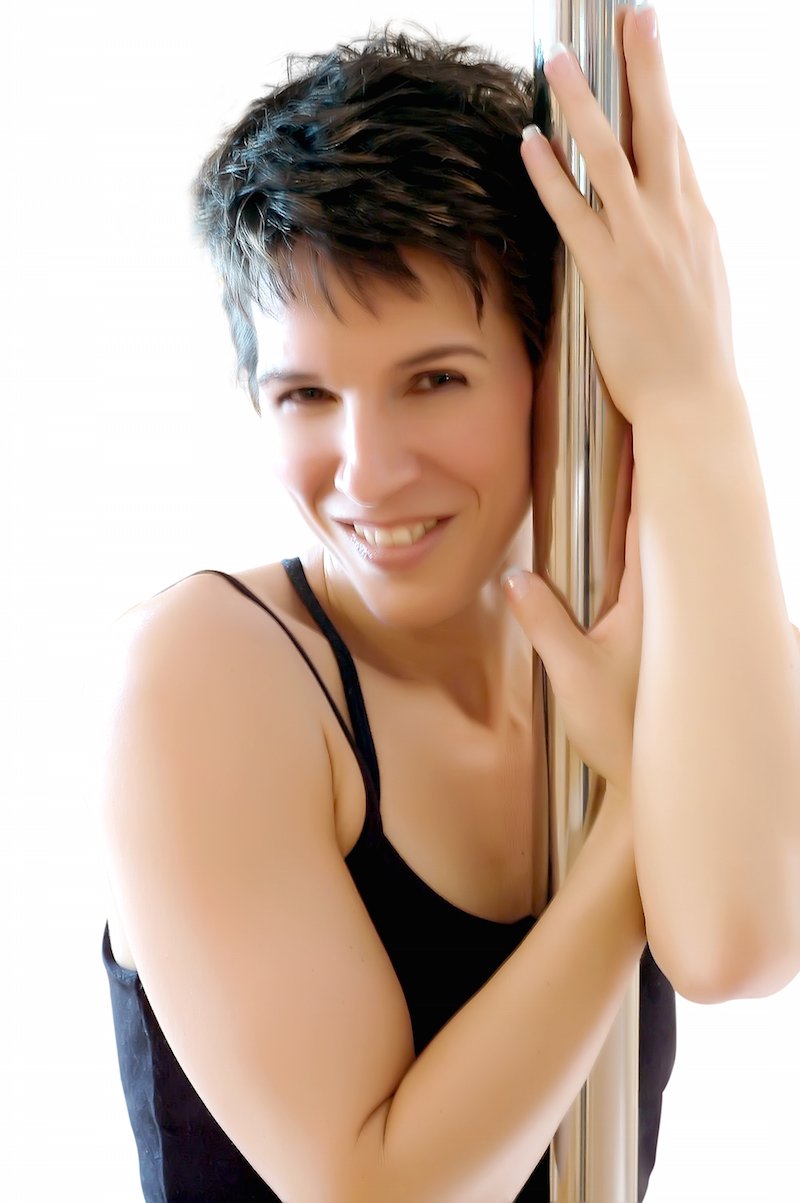
Susan Peach was an early pioneer in pole fitness and is now the voice behind Your Pole Pal, a long-running resource for the pole community. With more than 30 years of experience teaching pole, dance, and fitness, she helps newcomers navigate the world of pole with confidence.

What's New?


-
How Old Do You Have to Be to Take Pole Dance Classes?
Sep 06, 26 04:12 PM
 Get clear on minimum age limits for pole dance classes, and why waivers, studio policies, and parental consent all matter.
 -
How Hard is Pole Dancing? A Beginner's Reality Check
Aug 30, 26 05:42 PM
 Pole dancing is hard, but beginners can start at any fitness level. See what to expect, why technique matters, and how progress gets easier with practice.
 -
Pole Dancing for Beginners - What to Expect and FAQs
Aug 23, 26 08:35 PM
 Learn what to expect as you begin your pole dancing adventure, including answers to the most common questions from new pole dancers.
 -
London Pole Studios & More | Pole Dancing in England
Aug 21, 26 06:12 PM
Discover top pole studios in London as well as pole dancing classes throughout England. Find local studios near you to start your pole dancing adventure today. -
Getting Started with Pole Dancing: A Beginner's Guide
Aug 02, 26 11:02 PM
 New to pole dancing? Learn about home vs studio options, pole parties, safety basics and more so you can plan your pole dancing journey right, from the start.
Your Pole Pal loves to have fun, but she also has to earn a living, right? That's why you'll see ads on this site. She may also earn commissions on some of the products you'll see here, but there's never any cost to you since the advertisers pay for these.
The income generated through these means helps ensure Your Pole Pal can devote the time to providing you with all the free information & resources you'll find on this website.
Want to learn more? Your Pole Pal invites to you read her full advertising disclosure. You know...in case you haven't read enough legalese lately. 😉