- Home
- Getting Started
- Learn at Home
Learn to Pole Dance at Home
By Susan Peach
Whether you've chosen to learn to pole dance at home because there's no studio in your area, or for personal reasons, it's important to set yourself up for a safe and fulfilling learning experience. From choosing the right pole and safety gear for your home studio, to selecting your best learning resources and creating a workable training schedule, this guide will help you get off to a good start learning pole dancing at home.
Quick Start Guide to Learning Pole at Home
- Choose a safe pole that works for your space
- Get the essential gear, focusing on safety first
- Decide on a learning resource so you'll have a structured plan
- Set up a training space in your home
- Schedule your practice sessions to get off to a start strong
Why Learn at Home?
Learning to pole dance at home can be a daunting undertaking, or an exciting adventure. If you're taking this path because you don't have a studio nearby, or you're choosing to learn at home for privacy or other personal reasons, you might feel nervous or even a bit worried about whether this is a good idea, or even possible.
On the other hand, you might be wanting to set up a home studio because you're enjoying your studio classes so much that you want to be able to practice whenever you want and make faster progress. In this case, you're probably bursting with excitement and looking for help to get you home studio set up and functioning asap.
Whichever version is true for you, Your Pole Pal wants to help you get started safely with home learning by covering all the important details you need to know.
Getting Ready to Learn
Getting set up to learn at home isn't quite as simple as installing a dance pole and watching a few YouTube videos. But it doesn't have to be overly complicated.
The most important decisions you'll need to make are around choosing which dance pole, gear, and learning resources are right for you. You'll also want to make sure you have a good understanding of home pole dancing safety.
After that, it's matter of pulling it all together to create a safe space that will inspire you to train regularly so you can reach your goals.
Choosing the Right Dance Pole

There are so many solid choices for home dance poles today, but it can be overwhelming trying to make a decision about which one is right for you and your space.
You'll need to consider your ceiling height and construction, ease of installation, pole finish and diameter, and much more.
Understand the options, learn the pros and cons of different brands, and get help choosing YOUR best pole with this guide to home dance poles.
Pole Dance Gear Essentials
Knee pads and pole grip and shoes, oh MY! What do you really need to get started learning to pole dance at home, and what's optional?
Safety should be a priority when deciding on what to buy first, so Your Pole Pal definitely recommends a crash mat over a pair of platform pole shoes, but let's not forget the fun stuff once you've got the basics covered.
This guide to pole gear explains what you should prioritize, what can wait, and offers suggestions for where to find the gear you need.
Learning Resources
The best way to make solid progress learning to pole dance at home is to use one or more learning resources. The most common options today are online lessons via a website or an app. A good program provides safe and structured progression, detailed explanations with demos from different angles, as well as options and modifications for different bodies and abilities.
Trying to teach yourself without any outside help is possible, but not very efficient. And scrolling through random YouTube videos honestly isn't much better because you're left to figure out how to create your own program that covers all the basics in the right order.
Check out these two videos to better understand the difference. The first is simply a narrated combo with no actual instruction. The second is a sample instructional video from Studio Veena, one of the online platforms Your Pole Pal recommends for home learners.
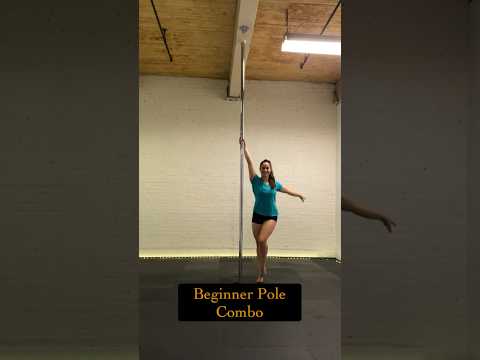
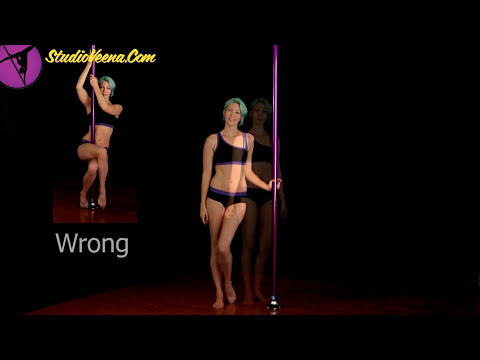
You can see that having a virtual instructor ensures you get proper explanations and demos of the moves as you learn them. With a structured program, you'll save time, make better progress, and learn more safely vs trying to figure everything out on your own.
There are a number of quality online programs available, with varying formats and pricing structures. Learn more about your options in this guide to online pole dancing lessons.
Personalizing Your Training Space

If you're going to be learning to pole dance at home, one of your top priorities will be finding a safe place to set up your dance pole.
Some people opt for simplicity and purchase a removable pole that can be installed wherever they have a bit of extra space.
Others prefer to create a personalized pole room in their home so they can practice in style. If that appeals to you, check out these home pole dance room ideas for inspiration.
Getting Off to a Good Start with Home Learning
To get the most out of learning to pole dance at home, it's important to start off on the right foot so you stay motivated. Here are three tips for starting strong and staying on track.
- Create a
training schedule so your practice doesn't become random. This doesn't
have to be complicated or overly detailed, but if it's written in your calendar
you're much more likely to make the time for your pole sessions. Simply
scheduling one hour twice a week as "pole time" is all it takes to get
started.
- Plan what you're going to learn next at the end
of the current session. If you don't give this some thought ahead of
time it's easy to waste half of your next session looking through lesson
videos trying to find something suitable to work on.
Instead, during your post-workout stretch, think about what you just accomplished. With that still fresh in your mind, you can choose a suitable lesson for your next session before you leave your pole room. Knowing exactly what to do when you're ready to start your next session saves time and energy, and helps you to keep moving forward instead. - Know when to ask for help. If you're struggling with a particular grip, move or trick, it might be time to step outside your home studio and get some assistance. Some online programs have a component where you can ask an instructor questions. If you have a studio nearby, now might be the time to book a private lesson. Even inviting a pole friend over to exchange ideas can help you get over a hump.
Not sure if learning to pole at home is right for you? If you're uncertain, this guide to home vs studio pole dancing explains the reasons you might choose one over the other, and what benefits and downsides there are to each option.
Want to explore some more first? You'll find links to more beginner guides covering topics like safety, pole parties and studio classes in the getting started section.
FAQ — Learn to Pole at Home
Is it safe to learn pole at home without an in-person instructor?
Is it safe to learn pole at home without an in-person instructor?
It can be, if you start with the basics, choose beginner-safe moves, build a strong foundation and follow a structured progression. Use a crash mat once you start spins, climbs and other airborne moves. Also, make sure your pole is installed correctly and that you know how to check it to verify that it's safe to use before every session.
Do I need a pole to start learning pole at home?
Do I need a pole to start learning pole at home?
Not necessarily. If you don't want to invest in a pole right away because you're not sure if you're going to like pole dancing, there are a couple of inexpensive online programs that offer starter classes that don't require a pole. Keep in mind that if you enjoy these classes and want to progress, you are going to need a dance pole at some point. Learn more about getting started without a pole.
What’s the safest way to start pole at home if I’m nervous about injury?
What’s the safest way to start pole at home if I’m nervous about injury?
Start with prevention: install a crash mat, use static vs spin mode, learn to warm up properly, and follow a structured program that focuses on building foundational skills.
Keep safety top of mind: stay within your comfort zone, master the basics before moving up to airborne moves, and have someone spot you if you feel unsure about a new move.
Know when to stop: if your pole feels at all unstable, stop and check the install. If you feel sharp pain while training, stop and check in with yourself. If it doesn't clear up, get it checked out.
How often should I practice pole at home as a beginner?
How often should I practice pole at home as a beginner?
There's no one right answer for everyone as this depends on your goals, your fitness level, and how active you are now. But in general, 2–3 short sessions per week will get you off to a sustainable start that feels enjoyable without overdoing it. Keep in mind that your skin, muscles, and connective tissues like tendons and ligaments will need time to adapt, so building in recovery time is as important as practice time.
What should I wear for pole practice at home?
What should I wear for pole practice at home?
For your first few sessions when you'll be doing floor-based moves, comfortable clothing like a t-shirt and shorts, leggings or sweats is fine. These options are actually good even for beginner spins. It's best to practice in bare feet so you can move more easily on the floor. Once you're ready to start learning climbs and other pole-based moves, you'll want to switch to shorts and a tank top or sports bra, because you'll need exposed skin to help grip the pole. No matter what you choose to wear, remember to avoid hand and body lotions, oils, and similar products before using your pole.
Do I need grip aids when I’m learning at home?
Do I need grip aids when I’m learning at home?
It depends. For your first few sessions — before you get to climbs, sits and other pole-based moves — it's unlikely you'll need to use pole grip. Some beginners do benefit from a simple dry grip product once they're ready to start learning moves that require grip strength, like lifts, climbs and simple holds. These products make it easier for your hands to grip the pole, and can be helpful early on while grip strength and skin adaptation catch up.
Static vs spin: which should I learn first at home?
Static vs spin: which should I learn first at home?
Most home dance poles come with the option to change between static and spin mode, but Your Pole Pal strongly recommends starting with static mode. This allows you to build solid foundational skills and to learn technique and control first. Once your basic grips and body positioning feel solid, you can gradually introduce spin if you like. Take this in small doses though, as most people find it takes time to get used to spin mode without feeling dizzy or nauseous.
What should I do if I feel dizzy or nauseous when practicing spins at home?
What should I do if I feel dizzy or nauseous when practicing spins at home?
Dizziness is not uncommon when first learning spins, but it's not often discussed. This is one time when you definitely don't want to push through, as it will only get worse. Instead: stop, sit or lie down, take some full breaths, and sip a bit of water or sport drink while you wait for the spell to pass. Once you feel better, work on something else for a bit, before trying the spin again. Most people find that dizziness does go away as they get used to spinning, but in the short term it's best to reduce your spin reps and rest more between spins, to allow your body to build up a tolerance.
Do I need a crash mat for beginner pole at home?
Do I need a crash mat for beginner pole at home?
You probably don't need a crash mat for beginner moves, as long as your definition of "beginner" involves only floor-based moves and a few very basic spins. But for maximum safety, Your Pole Pal strongly recommends that you install a crash mat along with your pole, and that you definitely use a mat once you begin climbs, sits, and anything that increases your risk of a fall. Remember that if you're training at home without an instructor to correct your technique or spot you, your crash mat is the only thing between you and a hard landing.
How much space do I need around my pole for beginner practice?
How much space do I need around my pole for beginner practice?
It's hard to give a one-size-fits-all answer because everyone is built differently. Space requirements for someone who is very petite will be different than for someone who is quite tall with long arms and legs. That said, general guidance for beginners is a minimum of 5-6 feet (or about 2 metres) all around the pole. For a more personalized estimate, consider that you'll need enough clearance to touch the pole with both arms extended out to the side without hitting walls or furniture. Learn more about how much space you need for a dance pole.
Can I do pole at home if I live in an apartment or rental?
Can I do pole at home if I live in an apartment or rental?
Most renters can do pole at home, though you'll need to make sure you choose the right type of pole. This depends mainly on what type of ceiling and flooring you have in your rental. Many people are surprised to learn that a friction mounted pole is not the only option, and in some cases, may not be the best choice. If you're an apartment dweller wanting to learn to pole dance at home, it's important to know about all the apartment dance pole options so you can choose the pole that's best for your space.

Was this page helpful? Make YourPolePal.com your preferred source of pole dance info on Google, so it'll be easier to find more useful pole guides like this one.


Susan Peach was an early pioneer in pole fitness and is now the voice behind Your Pole Pal, a long-running resource for the pole community. With more than 30 years of experience teaching pole, dance, and fitness, she helps newcomers navigate the world of pole with confidence.

What's New?


-
How Old Do You Have to Be to Take Pole Dance Classes?
Sep 06, 26 04:12 PM
 Get clear on minimum age limits for pole dance classes, and why waivers, studio policies, and parental consent all matter.
 -
How Hard is Pole Dancing? A Beginner's Reality Check
Aug 30, 26 05:42 PM
 Pole dancing is hard, but beginners can start at any fitness level. See what to expect, why technique matters, and how progress gets easier with practice.
 -
Pole Dancing for Beginners - What to Expect and FAQs
Aug 23, 26 08:35 PM
 Learn what to expect as you begin your pole dancing adventure, including answers to the most common questions from new pole dancers.
 -
London Pole Studios & More | Pole Dancing in England
Aug 21, 26 06:12 PM
Discover top pole studios in London as well as pole dancing classes throughout England. Find local studios near you to start your pole dancing adventure today. -
Getting Started with Pole Dancing: A Beginner's Guide
Aug 02, 26 11:02 PM
 New to pole dancing? Learn about home vs studio options, pole parties, safety basics and more so you can plan your pole dancing journey right, from the start.
Your Pole Pal loves to have fun, but she also has to earn a living, right? That's why you'll see ads on this site. She may also earn commissions on some of the products you'll see here, but there's never any cost to you since the advertisers pay for these.
The income generated through these means helps ensure Your Pole Pal can devote the time to providing you with all the free information & resources you'll find on this website.
Want to learn more? Your Pole Pal invites to you read her full advertising disclosure. You know...in case you haven't read enough legalese lately. 😉